Tiger stripes on gutters are those stubborn black streaks that make clean homes look neglected overnight. Homeowners often assume they’re dirt, but tiger stripes on gutters are usually a mix of asphalt shingle runoff, oxidation, and organic debris bonding to aluminum surfaces. Left untreated, tiger stripes on gutters can dull protective coatings and drag down curb appeal. In this guide, we explain what causes them, how to remove tiger stripes safely, and how to prevent them from coming back.
Tiger Stripes on Gutters: What They Are and Why They Appear
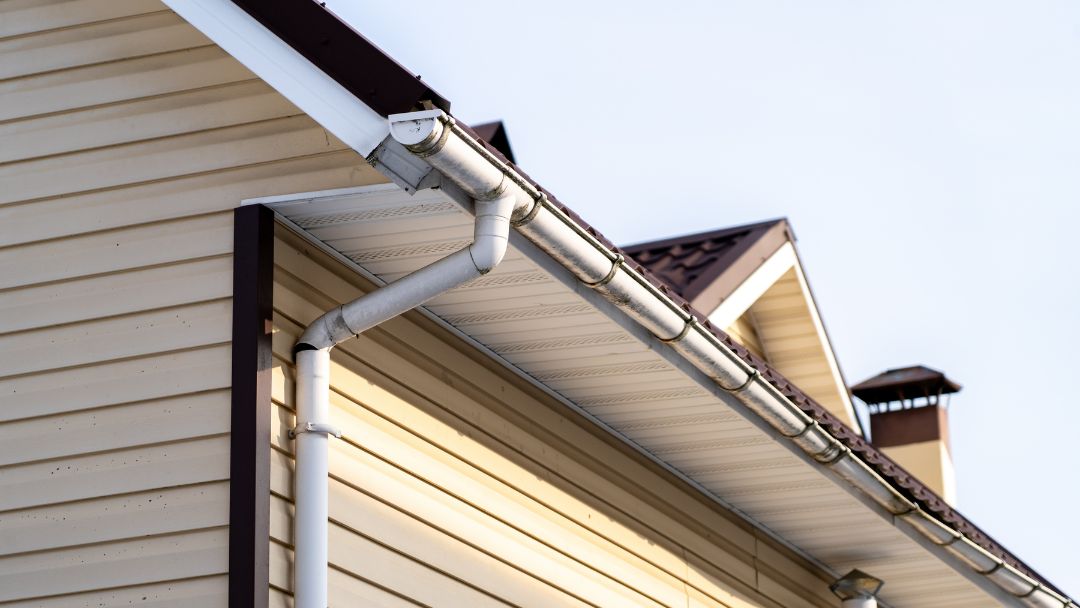
Tiger stripes on gutters are vertical black streaks that run down aluminum gutter faces. You’ll see them most clearly on white gutters, which is why many homeowners panic the moment they notice black streaks on gutters after a heavy rain.
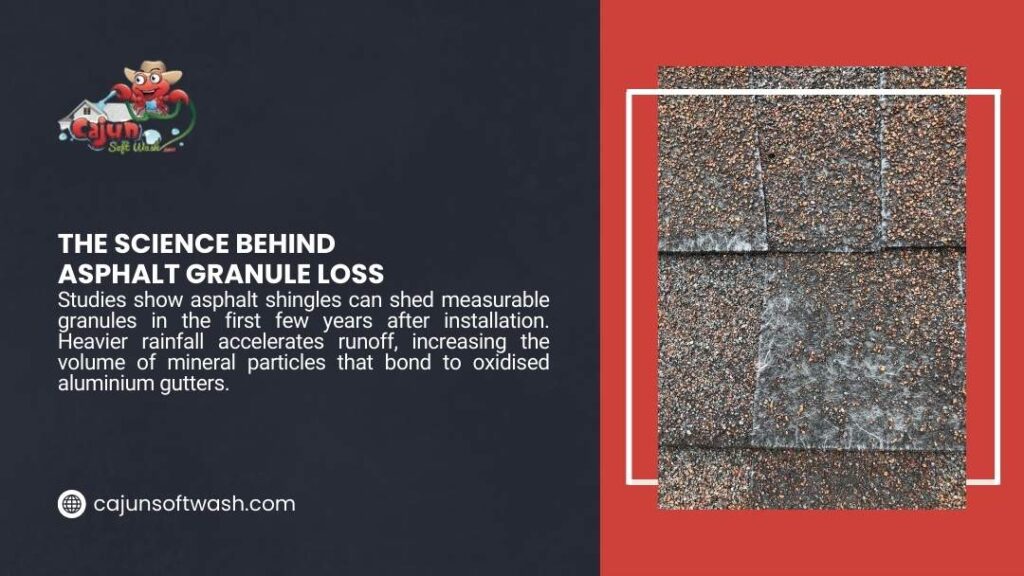
Here’s what’s happening. As rainwater flows off asphalt shingles, it carries microscopic particles of asphalt filler and roof granule residue. These particles cling to the painted aluminum surface of gutters. Over time, the streaks darken. That’s tiger striping on gutters in its simplest form.
According to the research, asphalt shingles shed fine granules throughout their service life, especially during heavy rainfall and seasonal transitions. Those particles don’t just disappear. They travel. And gutters are the first stop.
It’s not just debris. Aluminum gutters naturally oxidize. When oxidation meets shingle runoff and airborne pollutants, you get gutter tiger stripes that bond chemically to the surface. That’s why scrubbing alone often fails.
In humid regions, the process accelerates. The report shows that moisture-rich climates promote biological growth and surface staining, particularly where organic runoff accumulates. In places where rainfall and humidity collide, tiger stripes on gutters show up faster and darker.
Exterior cleaning professionals who specialize in soft washing often explain that oxidation, combined with Louisiana’s humidity, creates a surface that acts almost like sandpaper for airborne particles. Once bonded, the stains resist basic cleaning methods and require chemistry-based removal instead of force.
What Causes Black Streaks on Gutters?
Black streaks on gutters rarely come from a single source. It’s a layered problem. Asphalt runoff is the main contributor. Studies confirm that granule loss is normal during a roof’s lifespan. These granules, made of crushed stone, ceramic coatings, and minerals, are embedded within an asphalt layer. When rainwater carries them downward, they accumulate in the gutters.
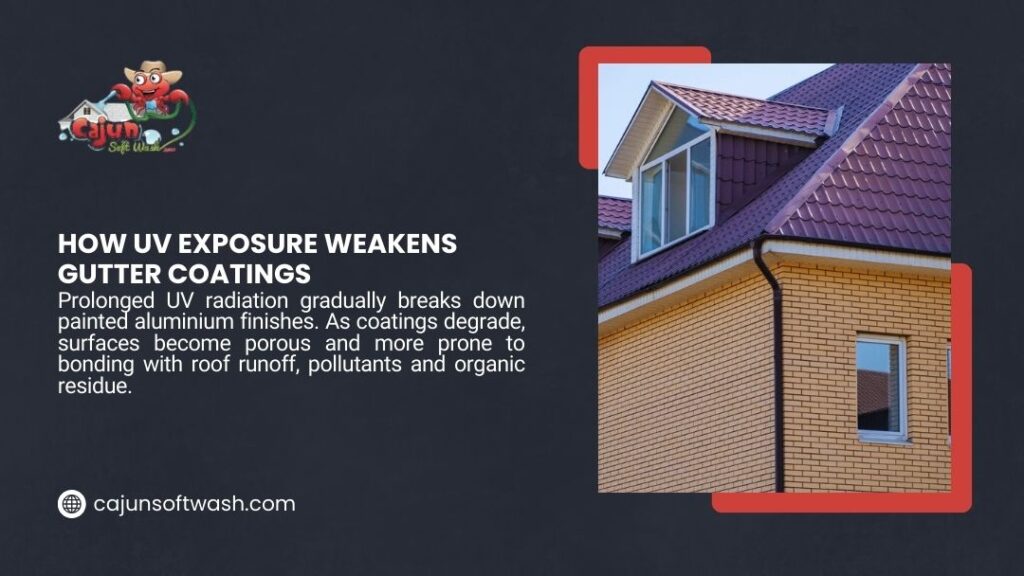
Add oxidation. Aluminum reacts with oxygen and moisture, forming a chalky surface layer. That layer grabs onto contaminants more easily. Over time, clean aluminum gutters with black streaks become permanent-looking stains.
Air pollution also plays a role. Soot and airborne particles settle on wet surfaces. Once dry, they cling to oxidized paint.
Humidity intensifies everything. Research from the EPA on moisture and building materials explains that damp surfaces attract microbial growth and environmental residue, which contributes to stain formation. Below is a breakdown of the primary causes and their effects:
| Cause | Chemical / Physical Reaction | Surface Risk | Preventable? |
| Asphalt Shingle Runoff | Electrostatic bonding to oxidized aluminum | Surface staining | Partially |
| Aluminum Oxidation | Breakdown of protective coatings | Increased staining | Yes |
| Airborne Pollutants | Adhesion to damp surfaces | Cosmetic damage | Partially |
| Organic Debris | Breakdown from moisture exposure | Stain buildup | Yes |
The key takeaway: tiger stripes on gutters aren’t just dirt. They’re bonded stains.
How to Remove Tiger Stripes from Gutters Safely
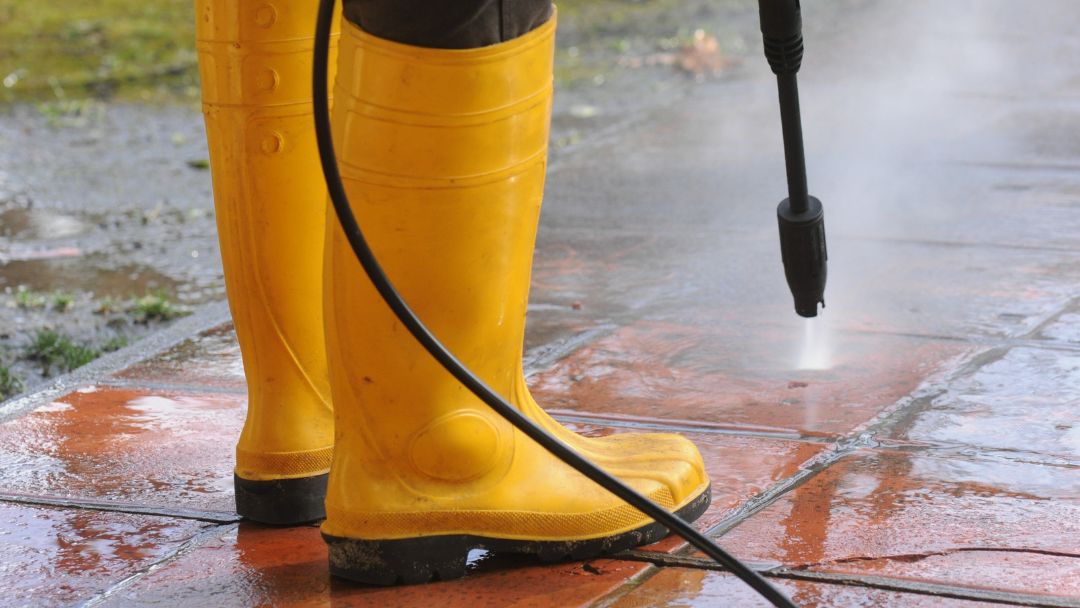
Most homeowners reach for a pressure washer. That’s where problems start. Pressure washing may remove surface debris, but it can strip protective coatings and accelerate oxidation. According to manufacturer guidance, abrasive cleaning methods can damage painted aluminum finishes.
So here’s what works. A dedicated aluminum gutter cleaner designed for oxidation-safe stain removal performs far better than brute force. Products marketed as gutter magic cleaner can remove tiger stripes on gutters effectively, but only when oxidation hasn’t progressed too far.
The best cleaner for aluminum gutters typically contains surfactants that break the bond between runoff residue and painted surfaces without grinding away protective coatings. Below is a comparison of cleaning approaches:
| Cleaning Method | Effectiveness | Surface Risk | Long-Term Impact | Cost Range |
| Pressure Washing | Moderate | High | May damage the finish | Low |
| DIY Household Cleaners | Low | Moderate | Short-term result | Low |
| Specialty Aluminum Gutter Cleaner | High | Low | Preserves coating | Moderate |
| Professional Soft Washing | Very High | Very Low | Long-term protection | Moderate |
Homeowners searching for how to remove tiger stripes from gutters often discover that elbow grease alone won’t cut it. You need chemistry, not pressure.
Best Cleaner for Tiger Stripes on Gutters
It’s one thing to know why gutter discoloration happens, and another to choose a product that’s effective without harming your gutters. Gutters aren’t dirt magnets; they’re painted metal surfaces with protective coatings. So the best cleaner for tiger stripes on gutters needs to do two things at once: break the bond of black streaks while protecting the finish underneath.
Household cleaners and generic soaps may remove surface grime, but they usually don’t penetrate the bonded residue left by asphalt runoff and oxidation. Traditional pressure washing can strip protective paint, making the problem worse over time. Instead, products formulated specifically for aluminum gutters, or professional-grade solutions suited for soft wash methods, deliver better long-term results.
Experienced soft washing specialists in the Baton Rouge area often customize cleaning blends based on gutter age, oxidation level, and environmental exposure. This tailored approach prevents over-application and reduces the risk of damaging protective coatings, something off-the-shelf solutions cannot account for.
The following table offers a comparison of common cleaning options you’ll encounter when seeking out gutter stain removers. It’s designed to help you gauge effectiveness, safety, and practical use for tiger striping gutters.
| Cleaner Type | Typical Formula | Effectiveness on Tiger Stripes | Safe for Coatings? | Best Use Case |
| Specialty Aluminum Gutter Cleaner (like Gutter Edge or Purple Power) | Oxidation-safe detergents + surfactants | High | Yes | Most residential gutters with bonded stains |
| Oxygen-Based Household Cleaner | Peroxide + mild surfactants | Moderate | Moderate | Lighter staining on painted gutters |
| Citrus-Based All-Purpose Cleaner | Natural solvents | Low to Moderate | Moderate | Light buildup; cosmetic touch-up |
| Pressure Wash + Water Only | High-pressure water force | Low | No | Avoid for finish protection |
| Professional Soft Wash Solution | Low-pressure, biodegradable chemistry | Very High | Very High | Tough staining, oxidation protection |
When you scan the market, look for cleaners that explicitly state they’re safe for aluminum and are non-abrasive. Anything labeled a powerful degreaser may strip finishes if used without dilution or proper technique. On the other hand, professional soft wash solutions are calibrated to break down tiger stripes while preserving surface integrity.
Here’s the thing: a product’s label can tell you a lot, but real-world performance varies based on local conditions, roof runoff chemistry, humidity, and age of the gutter finish, all of which influence stain tenacity. So while the table above steers you toward likely solutions, always test a small area first and follow the manufacturer’s instructions.
How to Clean Tiger Stripes on Aluminum Gutters Properly
Here’s how it works when done right. First, surface preparation matters. Loose debris should be cleared before any application. This ensures the cleaner targets bonded streaks rather than sitting on dirt.
Next comes the solution application. A low-pressure system distributes a balanced cleaning mixture across the gutter face. This method mirrors professional soft washing techniques rather than pressure blasting. If you’re unfamiliar with that approach, understand why soft washing uses low-pressure cleaning to protect exterior surfaces.
The solution must dwell long enough to break down tiger striping gutters without drying too quickly. That’s where climate awareness matters. In humid environments, dwell time behaves differently than in dry climates.
After dwell time, a gentle rinse removes residue. High pressure is avoided. Excessive force may void the manufacturer’s finishes and worsen oxidation. For homeowners wondering how to clean stained gutters without damaging them, the safest path often involves professional exterior home cleaning rather than trial-and-error methods.
Can Pressure Washing Make Gutter Tiger Stripes Worse?
Yes, and here’s why. Pressure washing can remove paint layers that shield aluminum from oxidation. Once that protective coating weakens, gutters clean unevenly. The next rainfall leaves deeper black streaks on gutters.
In some cases, pressure washing drives water behind fascia boards, increasing the risk of hidden moisture intrusion. The EPA highlights that water infiltration contributes to structural damage and mold growth over time.
When comparing soft wash vs pressure wash methods, the distinction matters. One relies on chemistry to dissolve the buildup. The other relies on force. Gutters don’t respond well to force.
Companies that specialize in soft washing prioritize surface preservation. By maintaining proper dilution ratios and low-pressure application, they minimize the risk of finish damage while still achieving full stain removal. That balance between effectiveness and protection is what separates trained professionals from aggressive DIY attempts.
How to Prevent Black Streaks on Gutters Long-Term
Removal solves today’s problem. Prevention protects tomorrow’s curb appeal. The most effective way to prevent tiger stripes begins at the roofline. Regular roof cleaning reduces asphalt runoff and organic debris before it ever reaches gutters. Homeowners concerned about roof runoff often explore professional roof cleaning options that address algae and residue safely.
Algae on roof shingles contributes to staining as well. When algae break down under UV exposure, residue washes downward. If you’ve ever dealt with algae on roof shingles, you know it doesn’t stay put.
Installing a proper drip edge helps redirect runoff away from gutter faces. Regular maintenance ensures gutters start each season clean rather than layered with buildup. Humidity matters too. In climates where moisture lingers, periodic inspections become essential. Regions with heavy rainfall experience faster stain development.
In Louisiana’s climate, where humidity levels remain high for much of the year, annual exterior maintenance is often recommended. Professional soft wash providers who understand regional mold growth patterns and moisture behavior can reduce recurring tiger stripes significantly through scheduled cleaning plans. Below is a recommended maintenance schedule:
| Climate Type | Cleaning Frequency | Risk Level | Suggested Method |
| Humid / High Rainfall | Every 12 months | High | Professional Soft Wash |
| Moderate Climate | Every 18 months | Moderate | Specialty Cleaner |
| Dry Climate | Every 24 months | Low | Light Maintenance Wash |
Regular maintenance not only helps remove tiger stripes but also protects against water damage caused by clogged gutters and runoff misdirection.
When Should You Call a Professional?
Some tiger-striped gutters can be managed with careful cleaning. Others require trained hands. If oxidation has advanced, aggressive scrubbing may leave dull patches. Multi-story homes increase fall risk significantly. According to the CDC, ladder-related injuries account for hundreds of thousands of emergency visits annually. Safety alone justifies professional help.
For larger buildings or business properties, commercial exterior cleaning ensures consistent results without coating damage. Professionals assess not just stains, but underlying causes. They evaluate roof condition, drainage patterns, and surface coatings. That broader perspective prevents recurring tiger stripes on gutters year after year.
Protecting Your Home’s Appearance Starts at the Top
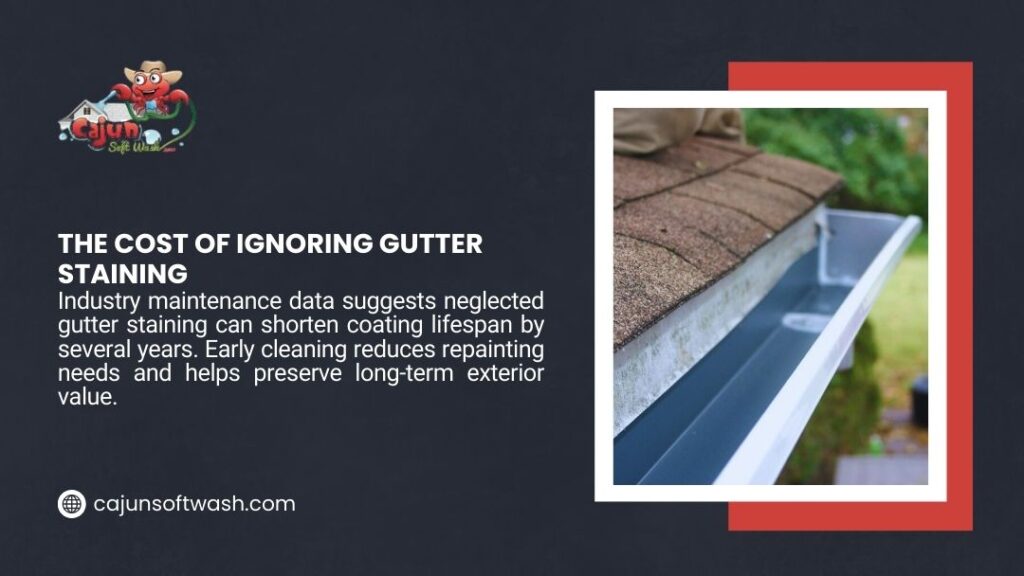
Tiger stripes on gutters don’t fix themselves. Left alone, those black streaks on gutters deepen, spread, and slowly compromise protective finishes. Safe removal and routine maintenance protect both appearance and performance.
If your gutters are already showing tiger stripes, or you want to prevent them before they return, professional soft washing makes a measurable difference.
Visit Cajun Softwash today to schedule a free estimate and restore your home’s exterior the right way.