Louisiana’s climate makes mold predictable. Warm air, constant moisture, and older buildings combine to keep surfaces damp and create ideal mold conditions inside and outside a home. Mold spores exist everywhere; the difference in Louisiana is how long moisture lingers.
In this article, we explore why Louisiana homes get moldy and why the state ranks at the top for mold problems, how homes unknowingly trap moisture, and what residents can do to break the cycle. Additionally, we also explore climate factors that push Louisiana homes toward mold, habits inside the house that quietly feed moisture problems, practical ways to cut mold risk in Louisiana homes, and where mold appears first.
Why Louisiana Homes Get Moldy More Than Other Warm States
Independent national property research has ranked Louisiana as the most mold-prone state in the country because humid air sticks around longer here, storms are more intense, and surfaces rarely dry fully between rain cycles. In drier states, heat bakes moisture off. In southern Louisiana, air holds water like a sponge and pushes it into wood, drywall, grout, and insulation.
| State | Main Climate Pressure | Mold Risk Outcome |
| Louisiana | High humidity, long hot season, frequent storms | Homes stay damp longer, and mold returns faster |
| Florida | Similar heat and humidity, more afternoon wind | High risk, but occasional breezes help the surfaces dry |
| Mississippi | Humid and storm-heavy | High risk in older housing corridors |
| Alabama | Humid but fewer extreme wet zones | Mold clusters in coastal pockets |
| Texas (Gulf Coast) | Similar mold climate along the coastline | Risk drops inland where dry heat dominates |
The pattern is obvious: Louisiana rarely gets true drying time, so the home becomes a moisture reservoir.
How Mold Works Inside A Louisiana House
Why Louisiana homes get moldy? Mold spores need two things that Louisiana freely hands them, warmth and moisture. Interior materials like drywall, wood trim, wallpaper paste, and stored fabrics provide food. Moisture separates dormant spores from active growth.
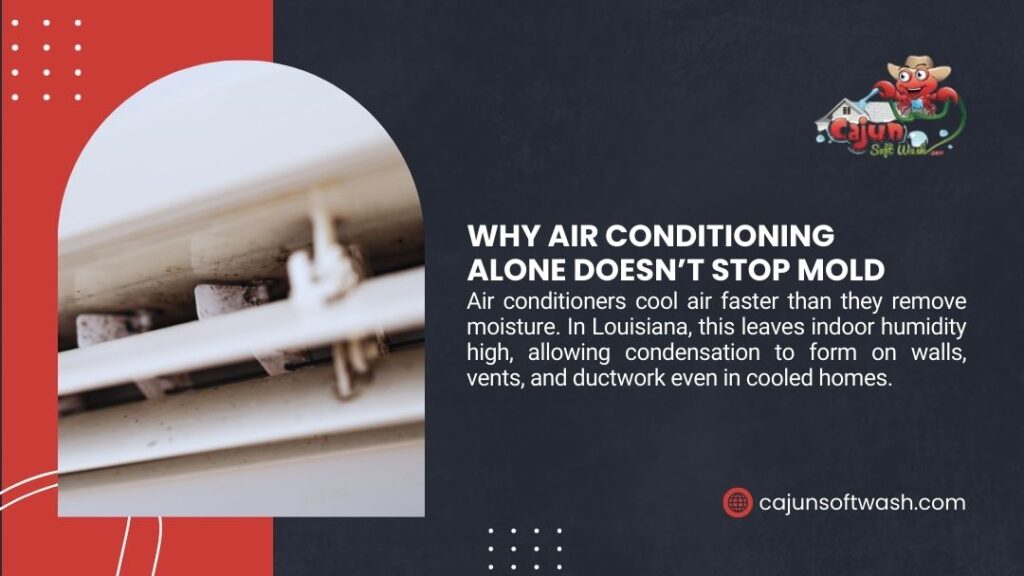
Indoor humidity that hangs above roughly 60% leaves condensation on cool surfaces: windows, AC vents, plumbing lines, and exterior walls. Water intrusion adds another supply, roof leaks during storms, small plumbing leaks behind cabinets, and wind-driven rain around windows. If those areas do not dry in a day or two, mold becomes a structural problem rather than a cleaning chore.
Climate Factors That Push Louisiana Homes Toward Mold
Louisiana’s humidity does not act alone; heat, storms, and infrastructure combine. Long summer seasons keep nights warm enough for moisture to remain suspended in the air. Then summer rain saturates roofs and siding so it is important to know why Louisiana homes get moldy.
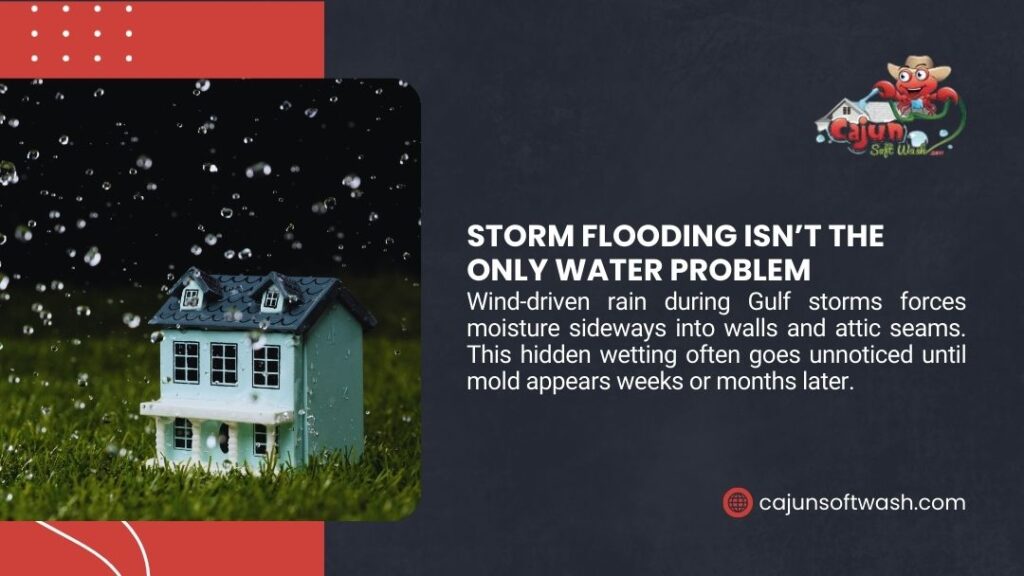
When hurricanes or tropical storms arrive, water reaches areas that a normal rain shower never touches. Roof valleys, attic insulation, sheathing, and crawl space framing absorb storm moisture and may dry slowly if ventilation is weak.
The table below, these three forces make a house wetter than most owners realize.
| Category | What Drives It | How It Promotes Mold |
| Climate | Hot air holds moisture; storms dump rain | Surfaces never dry fully, spores settle and grow |
| Indoor Habits | Steam, blocked vents, slow leak repairs | Moisture collects in bathrooms, kitchens, and closets |
| Prevention Measures | Faster ventilation and leak response | Cuts down humidity before mold establishes |
Louisiana homes are rarely “aired out.” They need deliberate ventilation and a quick response after storms.
Building Details That Trap Moisture
Many houses sit above vented crawl spaces designed for cooler climates. In Louisiana, those vents invite damp outdoor air, creating condensation on framing. In attics, warm outdoor air meets cool air from AC ducts, and moisture settles on roof decking. Older windows and aging stucco take on rainwater, and leaks spread quietly inside walls.
Materials like stucco, brick, and concrete hold surface moisture longer outdoors, which is why exterior staining often appears within a year of cleaning. Homeowners looking for safer exterior care often turn to soft-wash methods, including professional stucco care, rather than high-pressure blasting.
Habits Inside The House That Quietly Feed Mold
Daily routines finish what climate starts. Long showers without a working exhaust fan trap steam in bathrooms. Kitchens running a recirculating hood instead of outside ventilation push moisture into the living space. Indoor laundry drying raises humidity, and packed closets limit airflow.
Furniture pushed tight against exterior walls traps stale air and creates small cold zones where condensation forms. Shutting the AC off during humid weather for “energy savings” often backfires by allowing humidity to soak interior finishes.
Where Mold Shows Up First: A Room-By-Room View
Bathrooms usually reveal discoloration on ceilings and around grout. Kitchens show swelling near sinks or fogging windows after cooking. Laundry rooms produce a damp smell behind machines, especially where dryer vents leak. Crawl spaces and attics develop streaks across framing because they stay closest to outside air.
Outside, roofs show dark streaks, stucco develops patchy spotting, and shaded concrete turns slick. Soft-wash roof care and masonry cleaning are often used in Louisiana because pressure washing can shorten material life.
| Area | First Clue |
| Bathroom | Ceiling spots and shower grout stains |
| Kitchen | Swollen sink cabinets and fogged glass |
| Laundry | Damp smell behind the dryer |
| Crawl Space | Dark streaks on joists |
| Attic | Discoloration on the roof decking |
| Exterior | Roof streaks, stucco blotching, slick patios |
A table like this helps homeowners check early signs before the odor spreads through the house.
Practical Ways To Cut Mold Risk In Louisiana Homes
Moisture control, not bleach, is what matters. A house staying below roughly 50% indoor humidity gives mold nothing to work with. Mechanical ventilation must push damp air outside, not into the attic. Dehumidifiers placed in laundry zones and bathrooms pull moisture out of the air. AC systems have to run long enough to lower humidity, not just drop temperature.
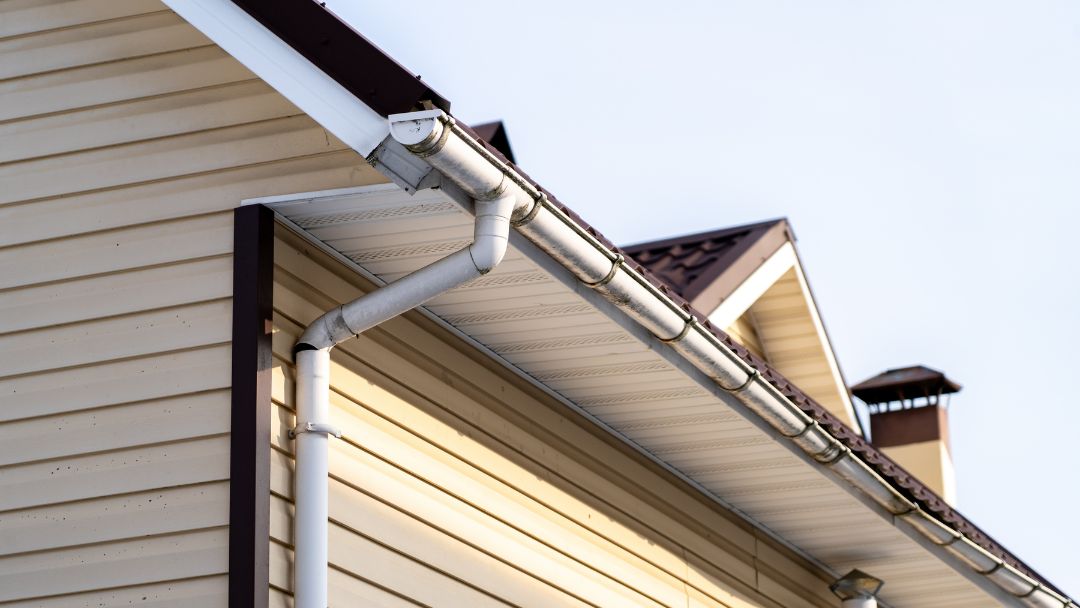
Leaks demand fast action because Louisiana storms turn minor gaps into water pathways. Roof cleaning, gutter clearing, and periodic soft washing reduce the exterior film that holds moisture against a building. That is why roof-care professionals stay busy between April and October.
Exterior Cleaning, Soft Washing And Why It Fits Louisiana
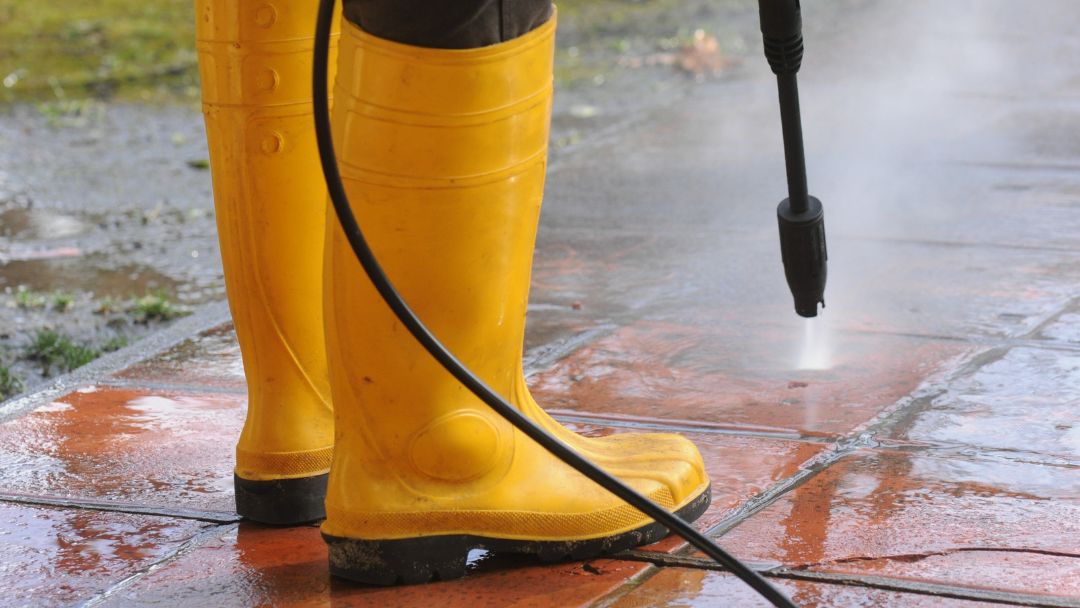
Soft washing suits Louisiana because it handles the biological side of the climate. Instead of blasting stucco or shingles, low-pressure cleaning paired with specific solutions targets algae, mildew, and mold on exterior surfaces without pushing water deeper. Homeowners use it on roofs, siding, driveways, pool decks, and stucco because those surfaces remain porous and shaded in this climate.
It is not cosmetic vanity; soft washing keeps surfaces from locking in water and becoming long-term reservoirs for mold. That impact makes it a direct prevention tool rather than an appearance upgrade.
How Louisiana Homeowners Can Stay Ahead Of Mold Instead Of Chasing It
Moisture in Louisiana homes will never vanish, but it can be controlled. That means treating ventilation as essential, drying out storm-hit areas fast, checking humidity with real numbers instead of guesswork, and keeping exterior surfaces from becoming mold farms.
The best results come from pairing house habits with scheduled exterior care. If a roof streaks every season, stucco stays blotchy, or patios turn slick, it is time to use professionals who deal with Louisiana’s weather daily. For anyone tired of scrubbing the same stains or smelling the same odor, take the next step: request a local inspection, schedule safe exterior cleaning, and treat moisture like the enemy, not the mold that appears afterward. Cajun Softwash handles roofs, stucco, concrete and full exterior soft wash for Louisiana properties, and you can get a visit lined up directly through their website.