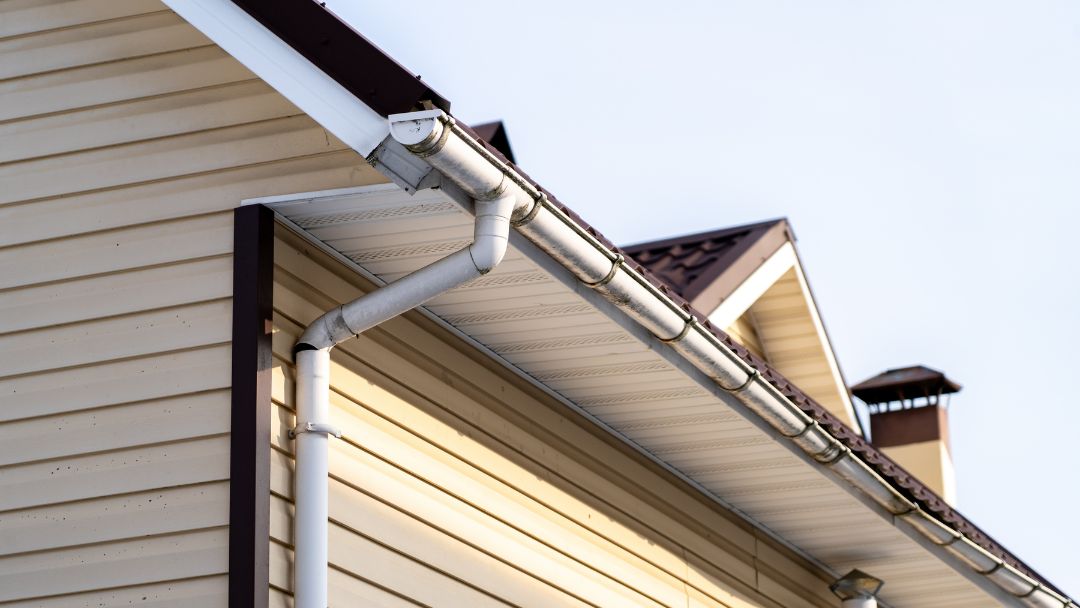
Most people don’t give vinyl siding much thought until it looks bad. Dirt builds up, stains show, and the instinct is to rinse it off and move on. That approach works for a while, but siding remembers neglect. When grime stays in place, water hangs around longer than it should, and that’s when mold, mildew, and algae begin to settle in. Over time, the siding stops shedding moisture the way it was designed to, which affects both its lifespan and what sits behind it.
In this article, we’ll break down how vinyl siding cleaning actually works, why certain methods fail, and what keeps siding cleaner and protected for the long haul.
Vinyl Siding Cleaning: How It Really Works
Vinyl siding cleaning works because of timing, chemistry, and restraint. Not pressure. Most of what stains siding isn’t loose dirt. It’s organic growth that grips the surface and feeds on airborne debris. If you’ve ever blasted siding with a power washer only to see the stains come back weeks later, you’ve already seen this in action.
What actually removes that buildup is a cleaning solution that breaks the bond between the siding and the growth. That solution needs time to sit. That pause is what allows mold and mildew to release. Rinsing too fast or spraying too hard defeats the purpose.
There’s also gravity to consider. When cleaning starts at the bottom, runoff stays controlled, and streaking drops dramatically. It sounds backward, but it works. A garden hose or low-pressure washer delivers plenty of water when the chemistry does the heavy lifting. Vinyl siding cleaning is calmer than people expect, and that calm approach is why it lasts.
Vinyl Siding Cleaning: Why It Matters for Your Home
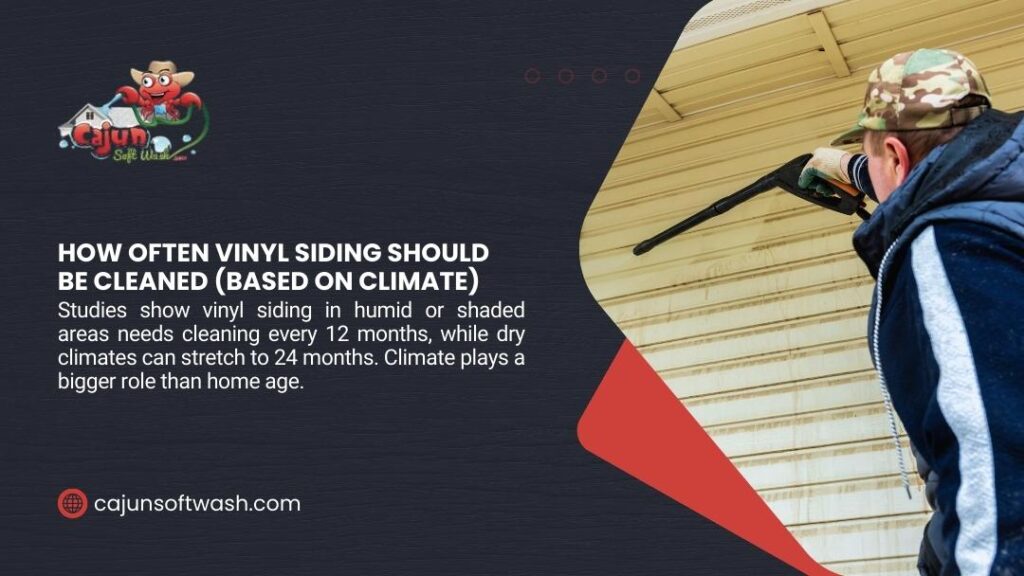
Vinyl siding cleaning matters because dirt isn’t just sitting on the surface. Airborne particles, pollen, and organic residue cling to vinyl through static charge and texture. Once moisture enters the mix, mold and mildew don’t need much encouragement. They settle in and spread slowly, especially in shaded areas or places that never quite dry out.
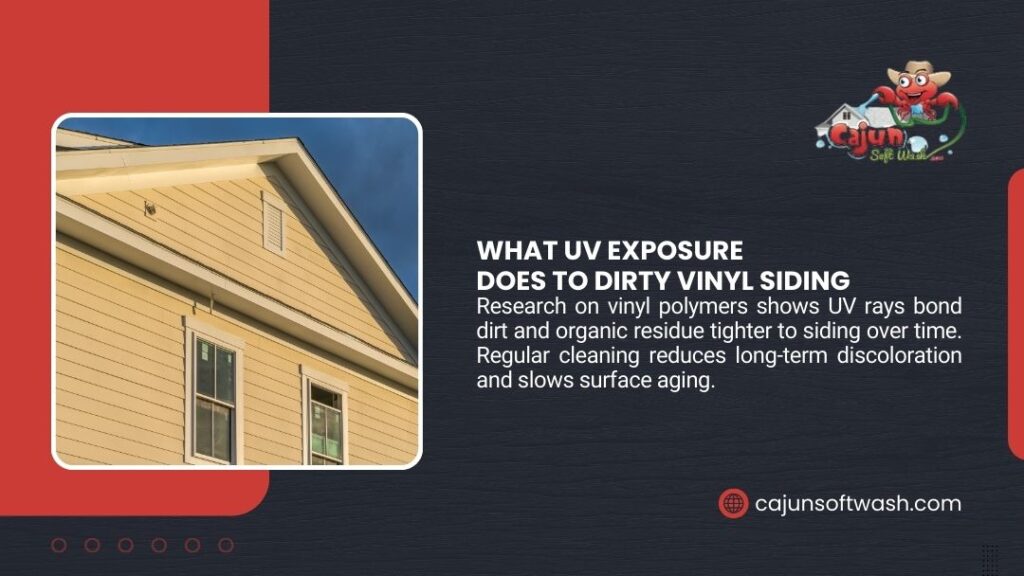
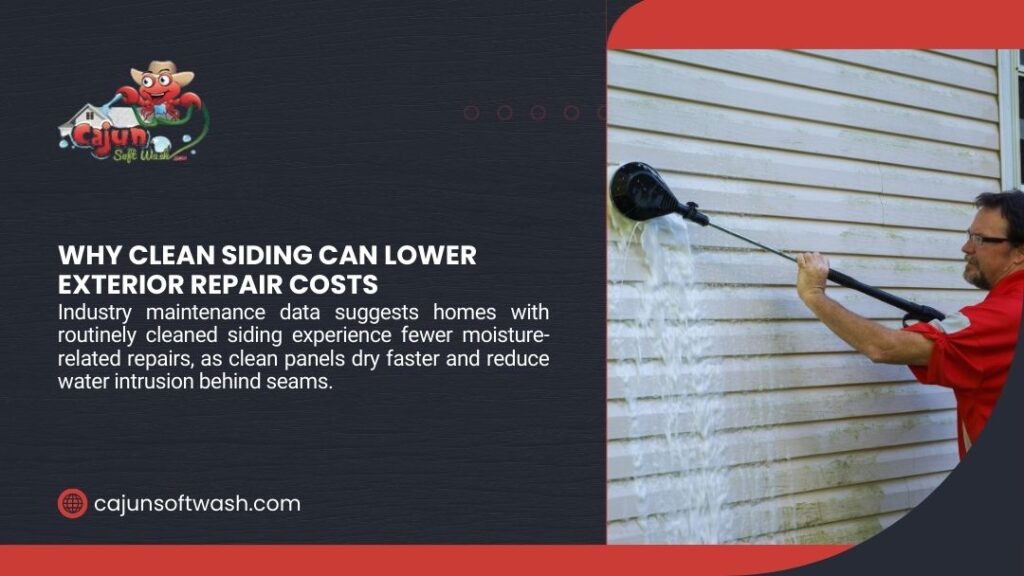
Clean vinyl siding sheds water better. That alone makes a difference. When grime builds up, water lingers longer after rain or humidity spikes. Over time, that moisture creeps behind panels or into seams. Vinyl siding isn’t designed to be airtight. It relies on airflow. When that airflow gets blocked, problems start showing up where you can’t see them.
This is why siding maintenance ties directly into overall exterior home cleaning. Roofs, siding, concrete, and decks all collect the same contaminants. They just show it differently. Keeping vinyl clean reduces the strain on the entire exterior system, not just the wall it’s attached to.
How to Clean Vinyl Siding: Step-By-Step Guide
Clear the Work Area First
Before cleaning vinyl siding, the area needs breathing room. Move anything leaning against the house. Cover plants that sit directly below splash zones. Shut windows. A quick rinse with a garden hose helps expose where dirt is light and where buildup has had time to settle.
Apply the Cleaning Solution Correctly
This is where people usually mess up. A vinyl siding cleaner should go on starting at the bottom, not the top. Gravity works against you otherwise. When runoff streaks down dry panels, stains lock in. Apply the siding cleaning solution evenly and let it sit just long enough to loosen grime without drying.
Light Contact, Not Force
Vinyl doesn’t reward aggression. A long-handled soft-bristle brush is enough when agitation is needed. Focus on motion, not pressure. Let the cleaner do the work.
Rinse With Intention
Rinse thoroughly from the top down. Pay attention to seams, trim, and overlap points. Leftover cleaner causes streaking long after the job looks finished.
Tools Commonly Used for Vinyl Siding Cleaning
| Tool | Why It’s Used | Best Situation |
| Garden hose | Controlled rinse | Routine siding washing |
| Soft bristle brush | Gentle agitation | Localized stains |
| Vinyl siding cleaner | Breaks down buildup | Whole-house cleaning |
| Extension pole | Safer reach | Taller walls |
Basic Safety and Prep Measures
| Step | Purpose |
| Begin at the bottom | Limits streaking |
| Eye protection | Splash control |
| Spot testing | Prevents discoloration |
| Low pressure | Keeps panels seated |
Why Vinyl Siding Gets Dirty Faster Than You Expect
Vinyl siding gets dirty because it’s doing its job. It’s exposed. Wind pushes debris against it. Rain spreads it. Humidity keeps it active. North-facing walls stay damp longer. Sections under trees collect sap residue and spores. Lawn irrigation adds minerals that leave faint stains over time.
In humid climates, vinyl siding washing becomes less about aesthetics and more about prevention. Organic growth doesn’t need neglect; it just needs moisture and time. That’s why even newer homes can show discoloration earlier than expected. Cleaning vinyl siding regularly interrupts that cycle before it becomes stubborn.
Best Vinyl Siding Cleaner Options for Homeowners
Not all siding cleaners behave the same way. Some work slowly and gently. Others attack organic growth aggressively. Choosing the best vinyl siding cleaner depends on how dirty the siding is and how often it’s maintained.
| Cleaner | Effectiveness | Ease of Use | Cost |
| SOCAR Chemical 8201 | Strong on organic buildup | Moderate | Mid-range |
| RMR House & Siding Wash | Targets mold and mildew | Easy | Mid-range |
| Simple Green House & Siding | Light maintenance | Very easy | Low |
| Krud Kutter Exterior | Heavy grime | Easy | Low |
For routine house siding cleaning, milder solutions work just fine. Heavy staining usually means buildup has been ignored too long, not that vinyl needs harsher treatment.
Pressure Wash Vinyl Siding Safely (When & How)
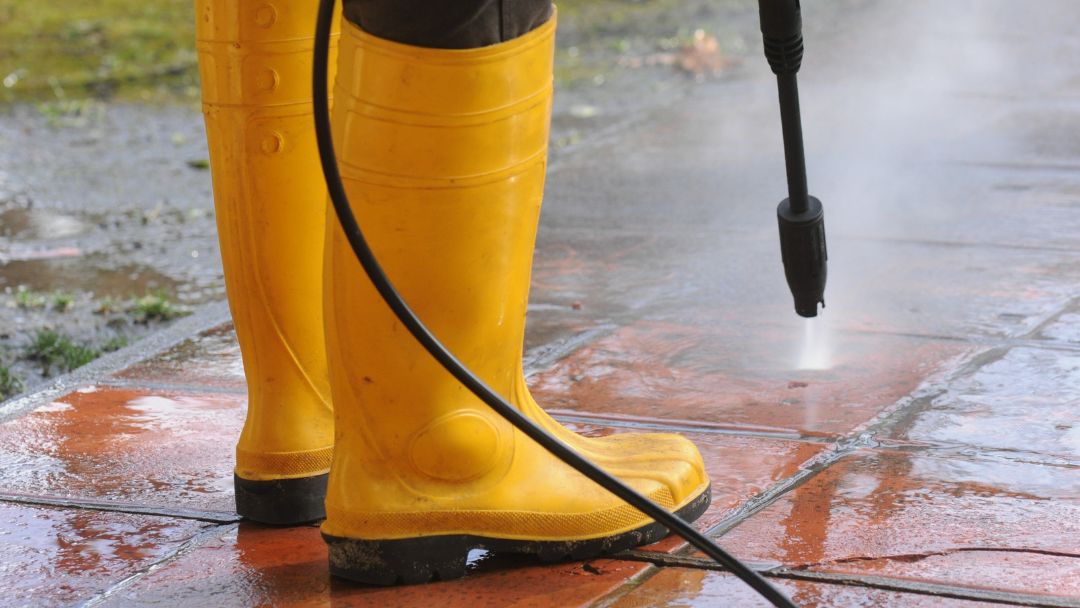
Pressure washing vinyl siding can work, but only within limits. Low pressure, wide spray angles, and downward rinsing matter more than raw power.
| Method | Advantage | Risk |
| Garden hose | Safest | Time-consuming |
| Low-pressure wash | Faster coverage | Technique sensitive |
| High pressure | Removes heavy buildup | Water intrusion risk |
Pressure wash siding only when the buildup won’t release otherwise. Many homeowners confuse speed with effectiveness, then wonder why siding shifts or traps water afterward.
Common Mistakes to Avoid When Cleaning Vinyl Siding
Most siding damage doesn’t happen all at once. It accumulates.
| Mistake | Outcome |
| Using steel wool or stiff brushes | Permanent scratches |
| Strong bleach mixes | Color fading |
| Spraying upward | Trapped moisture |
| Skipping final rinse | Residue streaks |
Avoiding these mistakes preserves both appearance and structural integrity.
Mold, Mildew, and Algae on Vinyl Siding: What You’re Actually Seeing
Those dark streaks aren’t always dirt. Mold, mildew, and algae look similar but behave differently. Mold tends to spread in shaded, damp areas. Mildew shows up as lighter discoloration. Algae thrives where moisture sticks around longest. None of them feed on vinyl itself. They feed on what sticks to it.
Vinyl siding cleaning removes both the growth and its food source. That’s why surface cleaning works best when paired with thorough rinsing. Leaving residue behind invites regrowth faster than doing nothing at all.
When Professionals Should Handle Vinyl Siding Cleaning
Some siding cleaning jobs push beyond safe DIY territory. Two-story walls, steep grades, heavy organic growth, or fragile landscaping raise the stakes. Professionals bring controlled application methods, proper dwell timing, and experience with materials that don’t forgive mistakes.
Homeowners already scheduling broader exterior services often bundle siding washing because consistency matters. Clean siding next to a dirty roof or driveway makes both look worse.
Why Doing It Right Makes a Difference
Vinyl siding cleaning isn’t about perfection. It’s about restraint. The right process keeps siding cleaner longer, helps it dry faster, and prevents avoidable wear. Force creates damage. Method preserves value.
When stains keep coming back, growth spreads faster than expected, or access becomes unsafe, professional help saves more than time. Cajun Softwash uses exterior cleaning methods built for vinyl siding and humid environments, focusing on long-term protection rather than short-term shine. Visit Cajun Softwash to schedule an evaluation and keep your home’s exterior working the way it should.