Louisiana’s weather sets the stage for mold problems in a way few regions of the country experience to understand mold growth Louisiana climate. Warm air clings to moisture for most of the year, storms roll in without much warning, and older neighborhoods still deal with lingering dampness beneath foundations. These factors create a setting where mold can spread quickly unless homeowners and renters understand how to manage humidity levels and prevent water intrusion.
This guide breaks down why the state’s environment encourages rapid colonization, how to recognize early contamination, and which preventive measures actually reduce long-term risks.
How Louisiana’s Climate Creates the Perfect Breeding Ground for Mold
Mold growth in Louisiana’s climate can be traced to the combination of heat, rainfall, and humidity that dominates nearly every season. According to long-term climate normals published by NOAA/NWS for Baton Rouge, typical relative humidity averages around 78%, and in some parts of the state, such as the Shreveport-Bossier area, early-morning humidity levels frequently reach 90 %, creating conditions conducive to mold growth.
Mold spores thrive when moisture becomes trapped inside walls, under floors, and around shaded exterior surfaces, and that persistent dampness supplies everything needed for colonies to take hold. Homes lacking steady air circulation or balanced moisture levels often show problems first, especially when insulation or framing absorbs more water than it can release.
Unlike regions with wide temperature swings, Louisiana rarely experiences the prolonged dry spells that interrupt microbial growth. Instead, humidity levels remain high well into the night, allowing spores to settle on cool surfaces.
Indoor air quality suffers as outdoor moisture slips through vents, crawlspaces, and gaps in window seals. When this pattern repeats day after day, the interior environment begins to mimic the outdoors, turning houses vulnerable to the kind of mold and mildew that can degrade air quality before occupants even notice the warning signs.
Understanding Mold Behavior in High-Humidity Regions
High humidity encourages mold to behave far more aggressively than it does in drier climates. In Louisiana, spores drift through humid air and attach themselves to surfaces that rarely get a chance to dry out fully. Bathrooms and kitchens deliver frequent steam, which boosts the moisture levels that spores need to flourish.
Attics trap heat beneath roofing materials that may already carry moisture absorbed after storms. Crawlspaces collect condensation due to the temperature difference between shaded soil and warm outside air, which is why a crawlspace mold inspection often uncovers growth that homeowners were unaware of.
Storm patterns add another layer of complexity. Rapid rainfall, followed by heavy air that refuses to release moisture, keeps the ground saturated. Water seeps into wooden framing or block foundations, and in these enclosed zones, spores multiply without sunlight to slow their advance.
Humid environments change the timeline entirely; what might take weeks in a northern state may take days here. That speed forces residents to monitor humidity levels inside their homes rather than assuming air conditioning alone can solve the issue.
The Most Common Mold Hotspots in Louisiana Homes
Indoor mold rarely reveals itself immediately. Instead, it settles first in the parts of the home where dampness lingers the longest. Kitchens absorb moisture from cooking, dishwashers, and sinks, while bathrooms collect steam that exhaust fans in bathrooms cannot always remove fast enough.
Laundry rooms gather heat and humidity from dryers and washing machines. Window tracks and door frames hold condensation when outside air presses against cooled interiors. Roofs and exterior walls also contribute when algae and grime sit on shaded siding for long periods, which is why many homeowners depend on safe exterior cleaning services, such as the soft washing options offered through residential cleaning services. A comparison of common household spaces shows how drastically moisture exposure varies:
| Area of the Home | Primary Source of Moisture | Mold Risk Level |
| Bathrooms | Steam accumulation and limited ventilation | Very High |
| Crawlspaces | Soil moisture and condensation | High |
| Kitchens | Heat, cooking vapors, plumbing | Moderate to High |
| Attics | Trapped humid air beneath roofing materials | Moderate |
| Living Areas | Air leaks and cooling imbalance | Low to Moderate |
These spaces become even more vulnerable after heavy rain. Once water intrusion begins, spores spread through the structure by attaching to dust particles and air currents, eventually moving into bedrooms or living areas.
Health Effects of Mold Exposure in Humid Climates
Mold exposure can cause problems for individuals who are already sensitive to allergens, and humid environments intensify these reactions. Louisiana’s climate holds moisture close to interior surfaces, allowing spores to multiply until they affect indoor air quality.
People with asthma or chronic sinus issues often notice symptoms before visible mold appears. Watery eyes, coughing, tightness in the chest, or irritated skin may signal that colonies have taken hold somewhere out of sight. In a state recognized as challenging for those looking for the best cities for mold sufferers, prolonged exposure can worsen respiratory discomfort.
Children and older adults face heightened risks because their immune systems respond differently to airborne irritants. Particles become airborne when air conditioners cycle on or doors open, and once spores disperse, they settle on furniture, carpets, and clothing. The longer a home stays damp, the more likely it becomes that small areas of growth will spread into larger sections.
Mold Growth vs. Water Intrusion: Louisiana’s Recurring Problem
Storms shape the landscape of Louisiana and, in turn, they shape its mold challenges. Water intrusion often follows heavy rainfall, especially in areas where drainage infrastructure struggles to keep up.
Hurricanes worsen the situation by combining wind pressure with widespread flooding. When water reaches the flooring or saturates the walls, even briefly, the drying process can take far longer than homeowners expect.
Saturated insulation becomes a magnet for mold spores, and once colonies start forming, they resist removal without specialized tools. A comparison of conditions before and after storm events shows how quickly mold can advance:
| Environmental Condition | Before Intrusion | After Intrusion |
| Indoor Humidity | Stable or moderate | Rapid increase |
| Spores in Air | Low background presence | High concentration |
| Material Moisture | Within normal range | Elevated for extended periods |
| Mold Growth Timeline | Slow or minimal | Accelerated to days or hours |
Remediation teams report that even homes with minimal flooding can develop mold throughout wall cavities once dampness becomes trapped. This pattern repeats every hurricane season, turning early detection into a necessary step in protecting property.
Preventing Mold Growth in Louisiana Homes
Prevention relies on controlling indoor moisture as much as possible. Homeowners must balance air conditioning use with proper ventilation so that moisture does not remain trapped. Reducing indoor humidity below recommended ranges limits how quickly spores can take hold.
The Environmental Protection Agency advises keeping moisture levels below 60 percent, and ideally between 30 and 50 percent, to reduce the risk of mold growth. Removing excess moisture after storms, repairing roof leaks promptly, and ensuring that warm air does not condense on cool surfaces are essential steps.
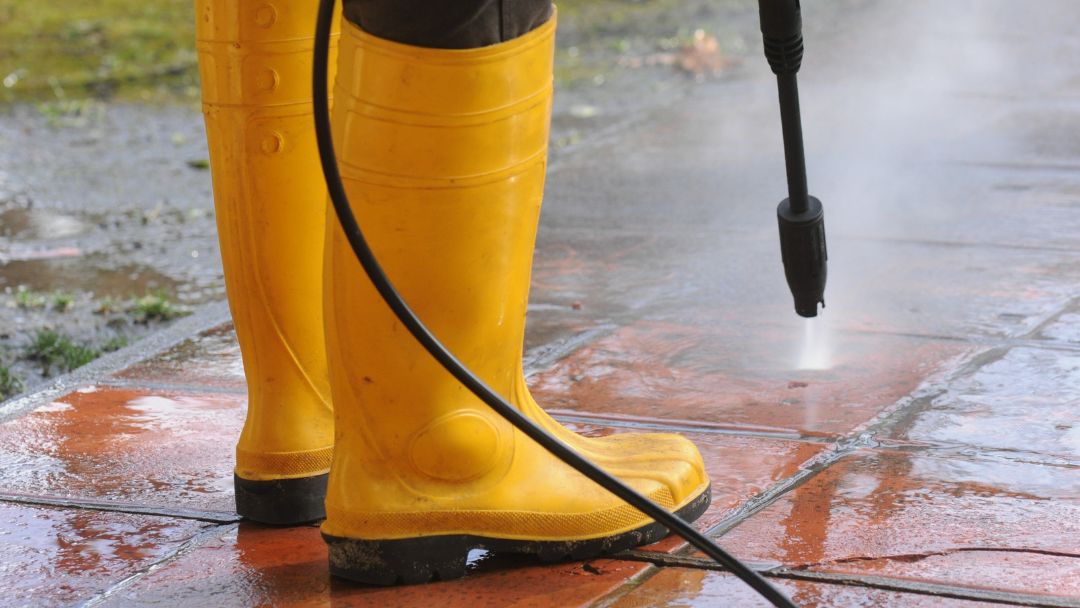
Exterior surfaces also play a larger role than many residents expect. Shaded siding, stucco, and brick hold dampness when grime and algae accumulate. These surfaces can cause indoor problems when moisture migrates through porous materials. For this reason, many residents depend on soft wash roof treatment companies to clear algae buildup before it affects interior spaces. Clean exteriors dry faster, lowering the chance that moisture will seep through the structure.
When to Seek a House Mold Inspection
A house mold inspection becomes necessary when certain signs appear, such as persistent musty odors, unexplained respiratory symptoms, or stains forming along walls and ceilings. Louisiana renters’ rights mold guidelines require landlords to address mold caused by structural defects, and tenants should document water issues immediately.
Inspectors evaluate moisture patterns, perform sampling when needed, and identify whether contamination stems from plumbing leaks, roof damage, or ventilation problems. Many companies offer a mold-free estimate, so homeowners understand the scale of the issue before committing to remediation.
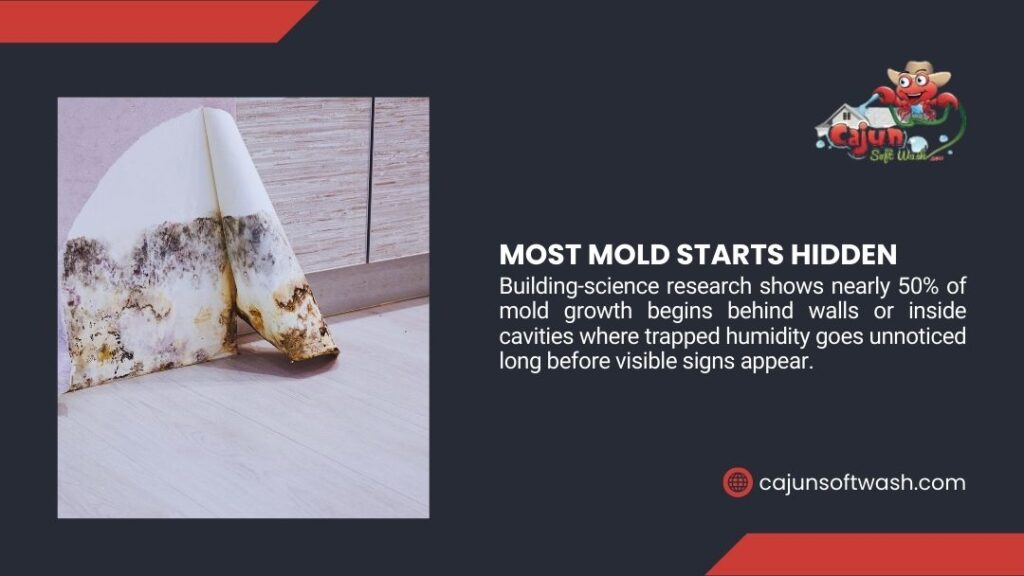
Small patches of growth can signal larger colonies hidden inside walls. A trained inspector can identify whether structural drying, removal of saturated materials, or professional mold remediation services are required. In humid climates, delays allow moisture to penetrate deeper, raising remediation costs.
Mold Remediation in Louisiana: Techniques, Timelines, and Costs
Louisiana mold remediation differs from similar work in drier states because drying takes longer, and materials often need more intensive treatment. The process typically includes moisture mapping, removal of damaged surfaces, containment of contaminated areas, and multi-stage cleaning to eliminate spores. The climate influences every part of the timeline; drying equipment must run longer, and materials such as drywall or insulation often require replacement rather than cleaning.
Exterior buildup also contributes to recurring problems. Mold thrives when shaded areas stay damp for weeks. Soft washing services, such as those offered for commercial buildings, prevent exterior grime from trapping moisture against structures. Once remediation is complete, follow-up inspections ensure humidity remains within safe levels and that no new colonies have formed.
Why Exterior Surfaces Matter in Mold Prevention
Exterior surfaces interact with the climate far more than occupants realize. Stucco absorbs moisture during storms, while brick retains water long after rainfall ends. Roof shingles hold algae films that trap humidity, sending moisture into attics.
Concrete stays damp beneath shaded porches and patios. Louisiana’s high humidity slows evaporation, which means these surfaces remain wet for long periods. When grime accumulates, moisture lingers even longer.
Routine cleaning extends beyond aesthetics; it directly affects interior mold prevention. Professional soft washing, such as the gentle exterior cleaning solutions at stucco cleaning, removes buildup without damaging delicate materials. Once surfaces stay dry for longer periods, homes become less susceptible to moisture migration, reducing long-term risks.
What Louisiana Residents and Homeowners Should Know About Mold Responsibilities
Louisiana distinguishes between mold caused by occupant habits and mold caused by structural conditions. Landlords must address issues tied to plumbing failures, roof leaks, faulty ventilation, or compromised insulation.
Residents must manage everyday moisture, such as ensuring proper airflow, reporting leaks quickly, and keeping living areas dry. The state encourages renters to document all communication related to moisture problems because early reporting improves the chances of timely repairs.
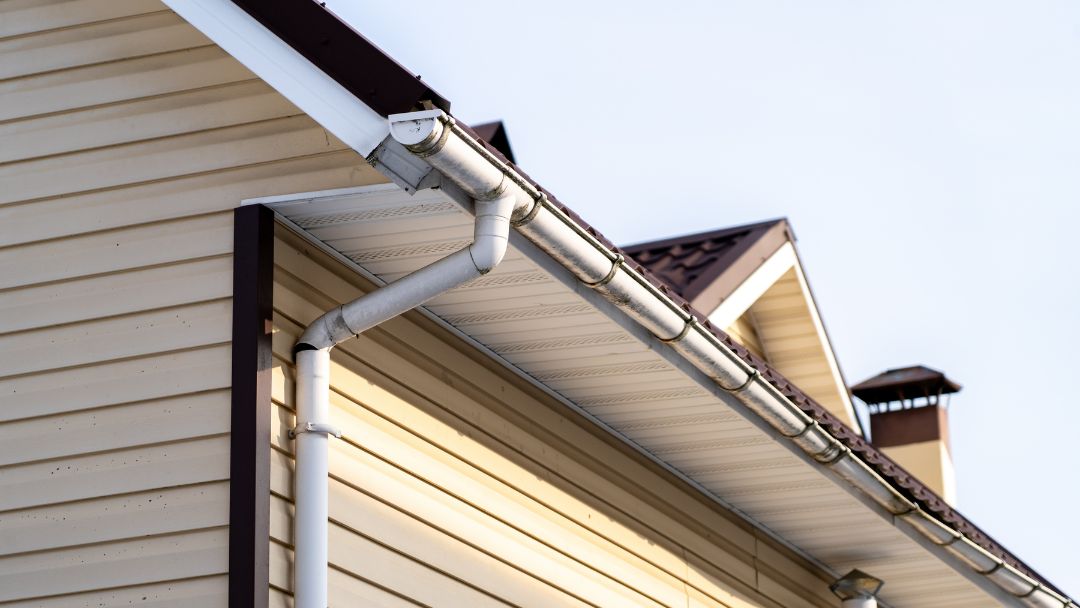
Homeowners face their own responsibilities. Insurance policies vary, but many exclude mold unless caused by a covered water event. Maintaining roofs, gutters, and exterior walls reduces both repair costs and remediation expenses. Ignoring persistent moisture rarely ends well in a region with such intense humidity.
Choosing the Right Mold Expert in Louisiana
Selecting a mold expert requires more than choosing the first available company. Certifications, training, and experience with Louisiana’s moisture patterns matter. Specialists must understand how humidity behaves inside older homes and how crawlspaces influence indoor air quality.
Full remediation teams handle containment, cleaning, and post-removal assessments. Some projects require environmental testing to verify that spores have returned to acceptable levels. Exterior areas may need additional services to stop future outbreaks, including targeted treatments for roofs, patios, or concrete driveways, as explained in resources like https://www.cajunsoftwash.com/driveway-wash/.
Choosing a qualified team ensures that moisture sources are corrected instead of simply masked. Without fixing the underlying problem, mold will return soon after.
A Climate-Driven Challenge Louisiana Residents Can Overcome With the Right Prevention Steps
Mold growth in Louisiana’s climate presents a real challenge, but residents can protect their homes with the right blend of inspections, moisture control, and well-planned cleaning routines. Controlling humidity, repairing water intrusion early, and keeping exterior surfaces clear of algae and grime reduce long-term risks.
For property owners who want to address exterior moisture sources that often feed indoor contamination, professional soft washing through companies like Cajun Softwash offers an effective preventive strategy.
Their experienced technicians provide service estimates, allowing residents to safeguard their homes before small problems become larger ones.